Electrical Panel Capacity & Modern Demand in Reno, Nevada
The main electrical service panel is the central nervous system of any residential or commercial building in Reno. It receives high-voltage power from NV Energy, meters total consumption, and distributes electrical current through calibrated circuit breakers to branch circuits throughout the property.
In Reno, thousands of properties built several decades ago operate on 100-amp or 125-amp service equipment. While adequate when installed, these panels were never engineered to support the continuous electrical demands of modern desert living—including dual-unit heat pumps, whole-home air conditioners, swimming pool and spa filtration systems, commercial-grade induction cooktops, and high-amperage Level 2 electric vehicle chargers.
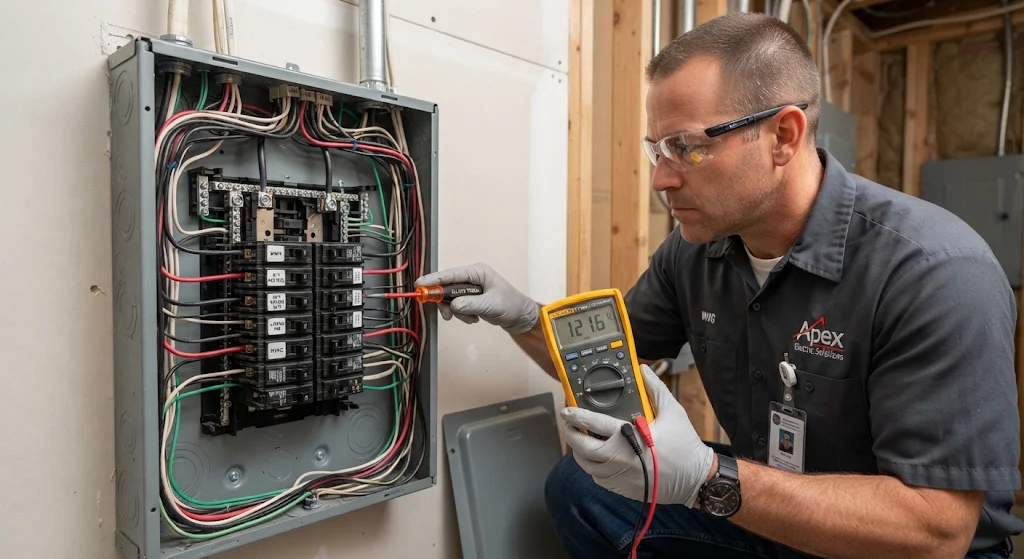
Load calculations compliant with NEC Article 220 determine whether a Reno property requires a 200A or 400A service upgrade.
NEC Article 220 Load Calculations & 200A Service Modernization
A professional service panel upgrade is not merely a box swap; it is a comprehensive engineering overhaul of your property's service entrance equipment. An independent electrical contractor conducts formal load calculation worksheets in accordance with NEC Article 220, tallying general lighting loads, small appliance branch circuits, fixed heating/cooling loads, and EV charging continuous demand.
Components of a comprehensive 200A panel modernization in Reno include:
- New Meter-Main Enclosure: Replacing aged, weathered outdoor enclosures with modern NEMA 3R outdoor-rated equipment featuring utility bypass mechanisms compliant with NV Energy service standards.
- Upgraded Service Entrance Conductors: Installing appropriately sized copper or aluminum conductors (typically 2/0 copper or 4/0 aluminum for 200A service) to handle elevated amperage without voltage drop.
- Grounding Electrode System Modernization: Establishing dual driven copper ground rods spaced at least six feet apart, supplemented by bonding to the municipal interior metallic water piping system and concrete-encased Ufer ground where accessible.
- Whole-Home Surge Protective Devices (SPD): Integrating Type 1 or Type 2 surge protectors compliant with NEC requirements to shield expensive HVAC electronics and smart appliances from high-voltage transient spikes.
- Arc-Fault & Ground-Fault Breakers: Installing modern combination AFCI/GFCI dual-function breakers for enhanced bedroom, living area, kitchen, and bathroom fire prevention.
The Permitting & Inspection Sequence in Reno
The panel upgrade procedure follows a strict, legally certified progression. The independent contractor first submits an electrical permit application alongside Article 220 calculation worksheets to the local municipal building division. Once approved, an NV Energy service planner confirms transformer tap capacity and schedules a meter pull appointment.
On the scheduled work day, the old enclosure is decommissioned, new service entrance mast and conductors are installed, and branch circuits are landed onto new busbars with calibrated torque wrenches. A city building inspector conducts an on-site rough/final inspection, issuing a green tag that authorizes NV Energy to reconnect grid power and seal the new digital meter.
Looking for Qualified Electrical Panel Upgrades in Reno?
Connect with participating independent licensed electrical contractors through the WATT911 Nevada referral desk. Contractors evaluate your site requirements, perform load calculations, and provide written estimates.
Permits, Utility Coordination & Contractor Verification in Reno
Upgrading an electrical service panel requires strict coordination between the property owner, the local municipal building safety department, and utility provider NV Energy. The independent electrical contractor files structural and electrical permit plans, performs the physical installation, schedules the required city inspection, and coordinates the temporary utility disconnect and reconnect.
WATT911 is a transparent referral network connecting property owners with independent local electrical contractors. We do not employ electricians, perform physical labor, or hold a Nevada contractor license. All load calculations, utility filings, and panel installations are executed exclusively by independent contractors licensed by the Nevada State Contractors Board (NSCB) under classification C-2.
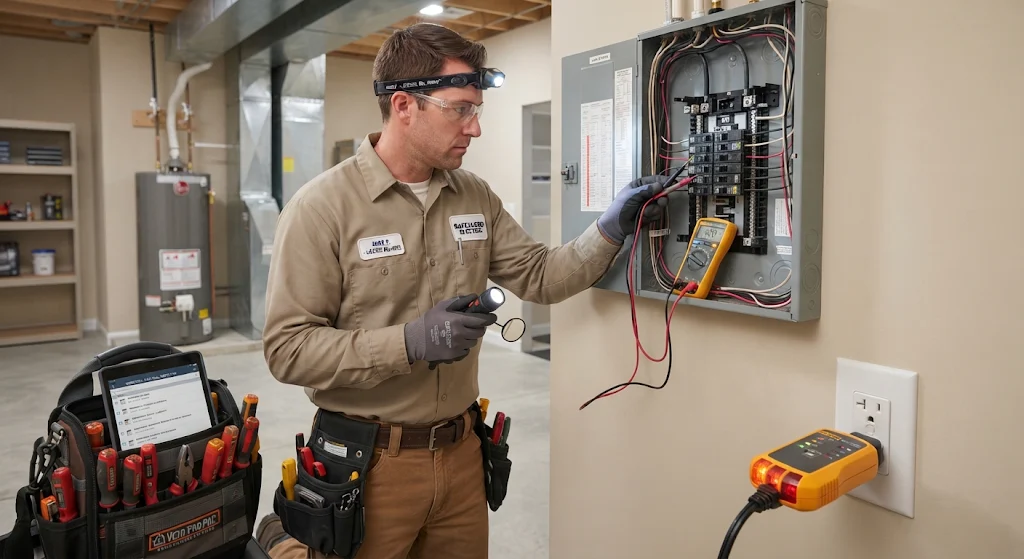
Modern 200A breaker panels provide dedicated breaker spaces and built-in surge protection for Reno properties.
Frequently Asked Questions
Signs include frequent breaker tripping when multiple appliances run, flickering lights when AC or heat pumps cycle on, lack of physical breaker slots for new circuits (like EV chargers), or having an outdated 100A service panel in a high-demand home.
No. An older panel does not automatically require replacement simply because of age if it is in sound physical condition, has adequate busbar capacity, and safe breaker compatibility. However, if modern load calculations exceed rated capacity or components show thermal damage, an upgrade is recommended.
Yes. All service panel upgrades, meter relocations, and service capacity increases legally require an electrical permit and inspection from the local municipal building department, alongside coordination with NV Energy.
Utility power is typically disconnected for 4 to 8 hours on the day of installation while the contractor installs the new enclosure, transfers circuits, and coordinates municipal inspection and utility reconnection.
A subpanel adds circuit breaker slots, but it does NOT increase the total electrical capacity delivered from the utility. If your main service is already near its 100A limit, a main service panel upgrade to 200A is required.